July 14, 2026
Ensuring that your roof remains in top condition is crucial for the safety, structural integrity, and long-term value of your property. Many homeowners overlook the initial warning signs that indicate their home's roofing system is undergoing severe structural stress. Recognizing when your home requires a local roof repair can prevent minor structural flaws from cascading into major financial liabilities. Developing a keen eye for these hidden issues allows you to implement targeted solutions before moisture breaches the core framework of your house. Through diligent observation and a basic understanding of residential construction dynamics, you can successfully safeguard your living spaces against unpredictable weather elements.
According to RubyHome, there are an estimated 131,980 roofers in the United States, meaning that finding qualified help to address these vulnerabilities is readily achievable. Environmental exposure, severe weather fluctuations, and natural material aging all contribute to the gradual breakdown of protective exterior barriers. When structural components begin to fail, they leave unmistakable clues across both the exterior and interior of your living space. Prioritizing timely maintenance not only protects your belongings but also optimizes the overall operational lifespan of your property. Staying vigilant to changing surface conditions helps prevent small maintenance issues from escalating into complex, costly structural replacements.
Identifying Visible Water Damage and Leaks
Water stains appearing on your interior ceilings and walls serve as an explicit signal that your residential property needs a local roof repair. These unsightly blemishes typically manifest as discolored, expanding patches characterized by shades of yellow, brown, or dark gray. When heavy precipitation falls, water can pool in compromised areas of your roof design, gradually seeping through the underlayment and decking until it penetrates your living spaces. Ignoring these shifting colors can lead to compromised drywall, weakened structural supports, and widespread interior degradation that requires extensive renovation. Regularly inspecting your upper levels, particularly after major storms, will help you identify these creeping moisture spots before they jeopardize your entire ceiling structure.
Your attic space functions as the initial buffer zone of your home and often reveals the earliest indications of structural moisture penetration. Exploring this space with a reliable flashlight allows you to check for damp insulation, water trails along the rafters, and localized condensation buildup. Persistent moisture in the attic space signals that your primary defense barrier has been breached and demands swift intervention. When ventilation is poor, this trapped dampness accelerates the rotting of wood elements, compromising the roof deck from the inside out. Incorporating attic inspections into your seasonal home maintenance routine ensures that hidden leaks are identified and mitigated before they impact lower floors.
Replacing Damaged or Missing Shingles
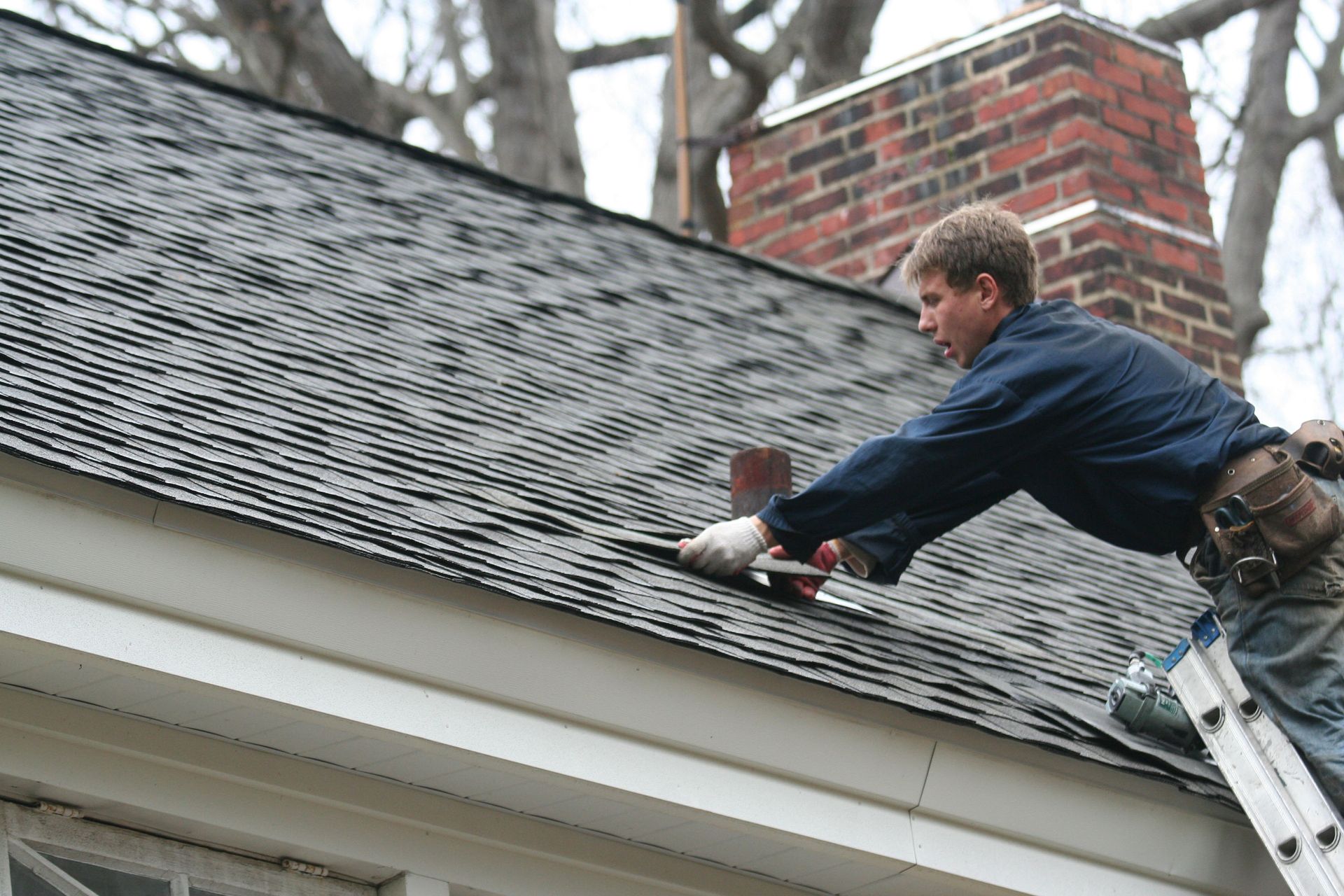
Shingles represent your home's frontline shield against harsh environmental elements, making their physical condition directly tied to the health of your property. When shingles begin to curl, buckle, or crack, it indicates that they have reached the end of their functional lifespan due to weathering or intense thermal expansion. These deformed materials lose their ability to shed water efficiently, allowing wind-driven rain to find direct pathways into the underlying wooden deck. Conducting periodic visual assessments from the ground using binoculars can reveal these surface distortions across your roof slopes. Addressing these malformations quickly prevents water from finding its way beneath the surrounding materials and causing widespread damage.
Missing shingles create immediate, unprotected vulnerabilities within your roofing system, leaving the delicate underlayment fully exposed to sunlight and driving rain. This lack of uniform coverage accelerates the deterioration of the underlying felt paper, creating an open invitation for leaks during subsequent storms. While a single displaced shingle might seem like an isolated cosmetic problem, it destabilizes the surrounding pieces by allowing heavy winds to catch their exposed edges. Performing a comprehensive ground inspection following high-wind events or severe hailstorms is an effective way to spot missing pieces early. Securing a prompt local roof repair to replace these missing sections preserves the uniform protective grid that keeps your home dry.
Correcting a Sagging Roofline
A sagging roofline represents an explicit visual warning that your home is suffering from a major structural or load-bearing deficiency. This condition is easily identified by stepping back from your property and observing any noticeable dips, curves, or uneven slopes along the ridge. Sagging can result from a variety of underlying issues, including inadequate initial design, internal structural shifting, or prolonged exposure to heavy-weight loads. When structural components lose their rigidity, the entire weight distribution of your upper framing becomes dangerously unbalanced. Early detection of these shifting planes is absolutely paramount, as an uneven roofline can eventually lead to partial structural collapse if left uncorrected.
The structural hazards associated with an undulating or sinking roofline extend far beyond mere cosmetic imperfections on your home's exterior. Without immediate engineering evaluation and stabilization, this progressive drooping can deform the interior walls and cause door frames to go out of alignment. As the framework shifts, it creates massive stress concentrations that crack interior plaster, break window seals, and damage overhead utilities. This structural distortion also prevents water from draining naturally, causing heavy pools to collect in the depressed areas during storms. Engaging skilled professionals to evaluate a sagging roofline is the safest method to determine whether your home requires internal truss reinforcement.
Resolving Gutter Overflows and Obstructions
Clogged, sagging, or overflowing gutter systems indicate an immediate breakdown in your home's integrated water management framework. When leaves, twigs, and loose asphalt granules block the open channels, rainwater cannot flow efficiently toward the designated downspouts. This obstruction forces water to spill over the back edge of the gutter, where it comes into direct contact with the wooden fascia boards. Prolonged exposure to this overflowing water rots the perimeter trim and creates a direct path for moisture to enter the lower roof edges. Maintaining clear, unobstructed drainage channels through regular cleaning is a foundational step in preventing localized perimeter wood rot.
The operational relationship between your gutter network and the longevity of your roof deck is incredibly close and highly critical. When gutters fail to move water away from the roof line, the trapped moisture backs up under the lower rows of shingles. This standing water bypasses the primary barriers, causing hidden rot along the eave line and destroying the integrity of your soffits. Properly pitched gutters act as an extension of your roof surface, ensuring that high volumes of stormwater are safely neutralized. Addressing minor gutter alignment issues and securing loose hangers prevents water from reversing direction and damaging the lower structural perimeters.
Preventing Mold and Mildew Growth
The appearance of dark streaks, green moss, or fungal growth across your exterior shingles indicates that moisture is being retained on your roof surface. Fungi thrive in shaded, humid environments where organic debris, such as fallen leaves, provides a continuous source of nourishment. This biological growth does not simply ruin the visual appeal of your home; it actively damages the integrity of the shingles by anchoring roots into the material. Over time, these organisms hold water against the roof surface, preventing it from drying naturally after rain events. Spotting these biological formations early allows you to take corrective cleaning and treatment measures before the shingles degrade completely.
Mold and mildew development within your attic framework points to a dangerous combination of moisture intrusion and inadequate ventilation. Fungal spores reproduce rapidly in dark, damp spaces, quickly covering wooden rafters, insulation backing, and the underside of the roof deck. This internal biological growth weakens the structural wood panels and significantly degrades the indoor air quality of your entire living space. Spores can easily travel through HVAC ducts and ceiling penetrations, triggering respiratory discomfort and allergies for the inhabitants inside. Promptly identifying the source of this moisture and executing a thorough local roof repair eliminates the damp environment required for fungal survival.
Partnering with experienced professional roofers ensures that your structural integrity is accurately evaluated and restored with lasting materials, protecting your family and home. For more information about the services that we offer, reach out to our incredible team at Reger Roofing & Siding Co today!